









1. Lead your people well
Once you're past the solo stage, your business is only as good as the people running it, and they take their cues from you. The operators who build calm, productive teams do a few unglamorous things consistently: they set clear expectations, they give feedback early rather than storing it up, and they remove obstacles instead of adding pressure. A small team that knows exactly what "good" looks like will outperform a bigger one that's guessing.
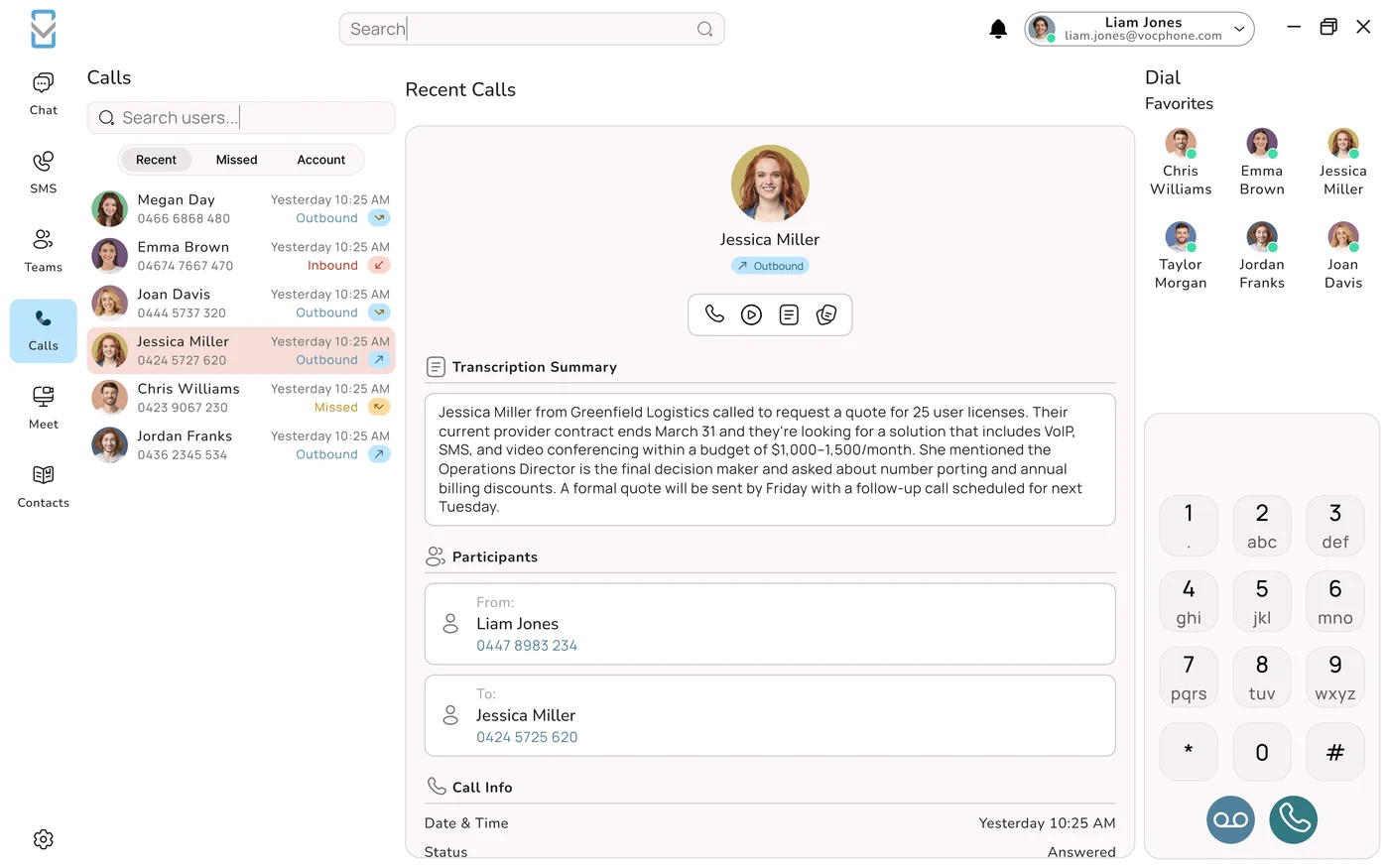
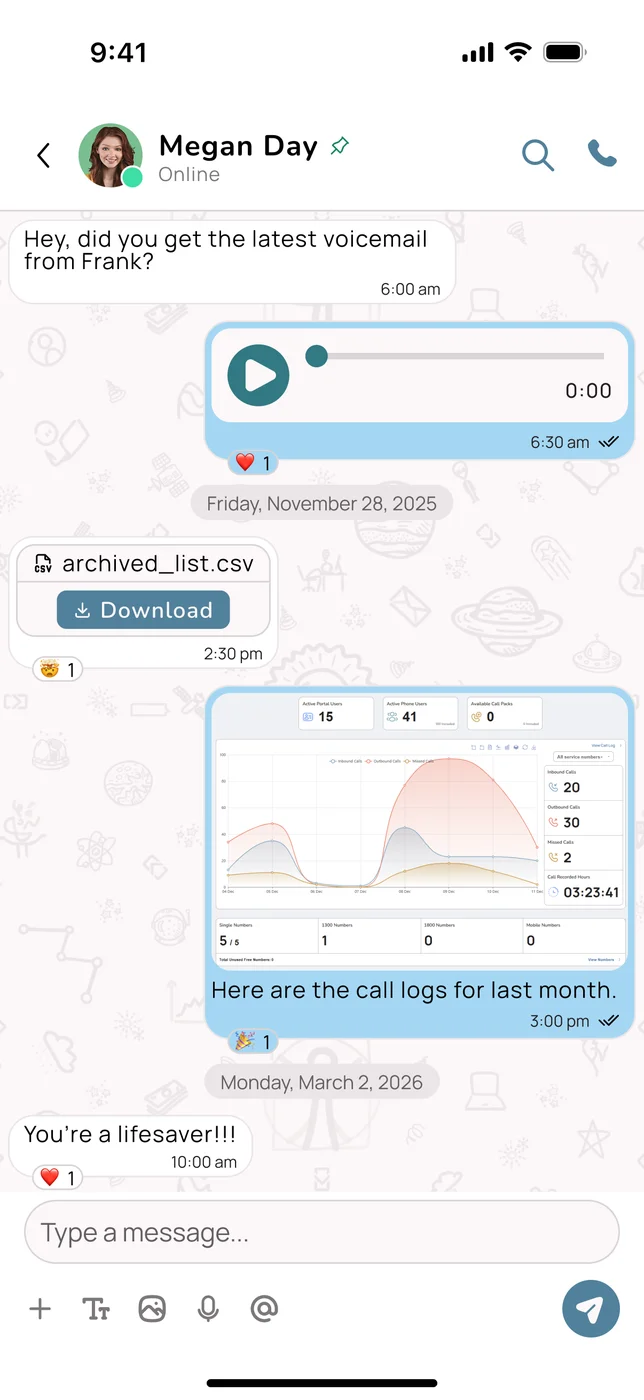
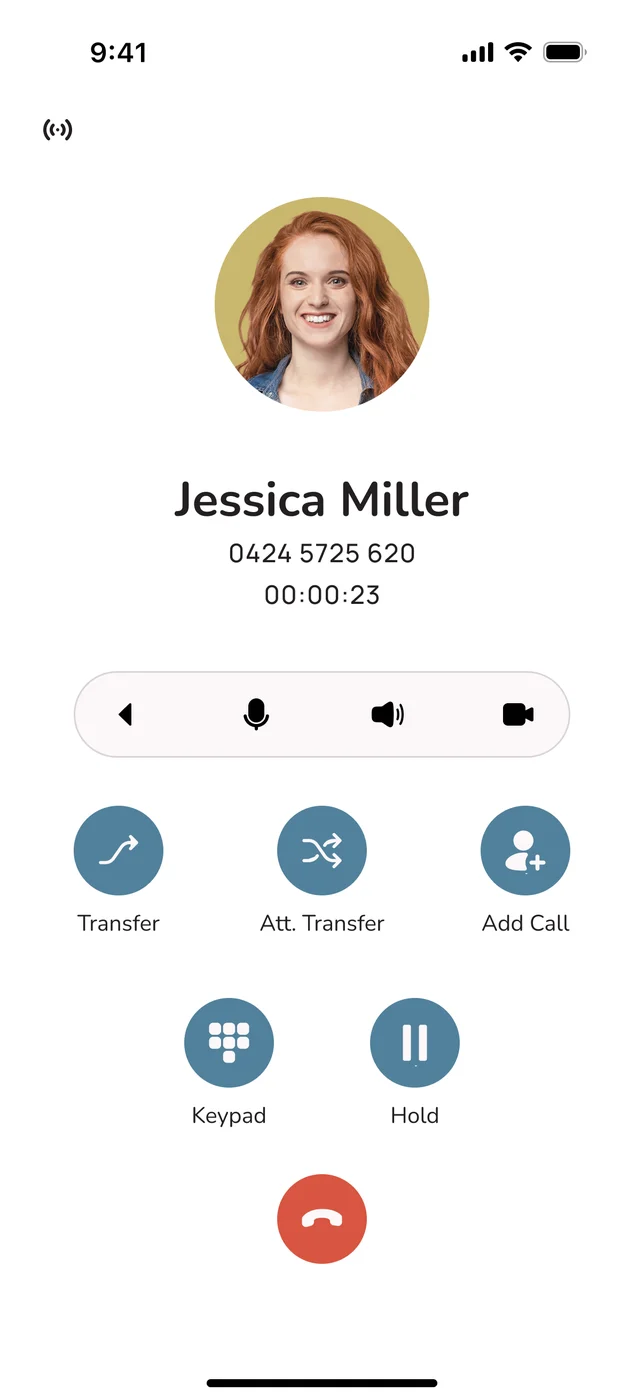
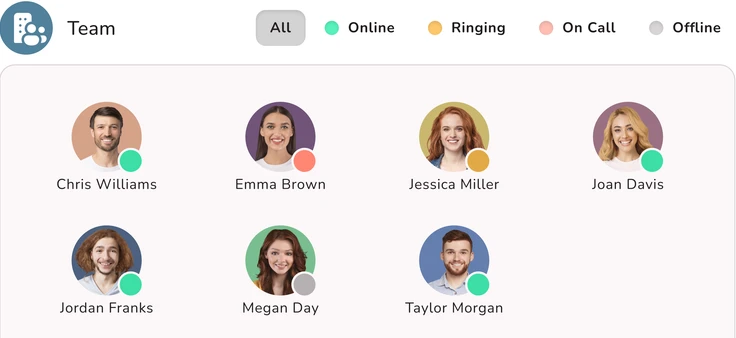
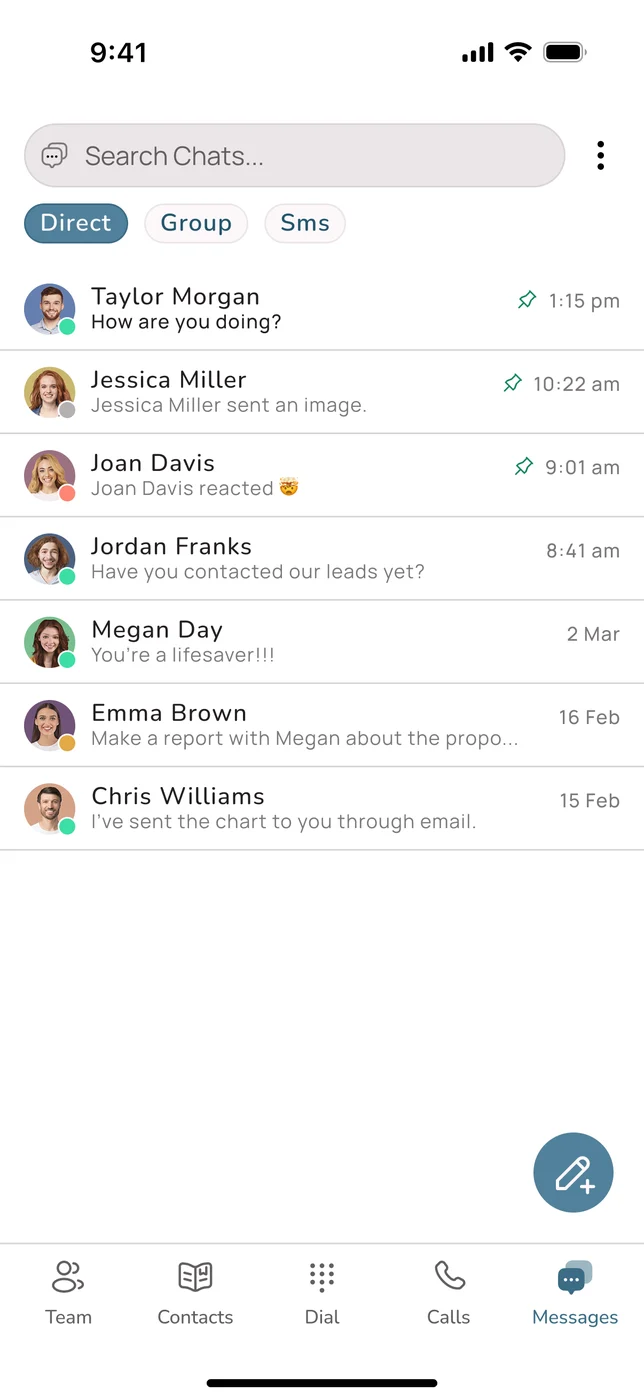
Communication is where good intentions live or die. Distributed and hybrid teams are now the norm across Australia, so the tools your people use to reach each other, and to reach customers, matter as much as the org chart. When a team member can pick up any call, message a colleague and jump into a video meeting from the same app on their laptop or phone, work flows. When they can't, everything slows to the speed of the missing link.
5x
Cheaper to keep a customer than win a new one
24/7
Hours an AI Phone Agent can answer for you
2 to 3 mths
Expenses worth holding as a cash buffer
2. Build systems that don't need you
The difference between a job that owns you and a business that runs is documented, repeatable systems. If a process only works when you personally do it, you don't have a business: you have a bottleneck. Write down how the important things happen: how an enquiry is answered, how a quote is prepared, how a job is booked, how you invoice, and how you follow up. Keep it as simple checklists, not a manual nobody reads.
Then connect the tools so information stops being re-typed between them. Your accounting software, your CRM and your phone system should share data, not sit in silos.
- Map the customer-facing processes first. These are the ones customers actually feel: start where the impact is highest.
- Write repeatable checklists. Quality should survive a staff member being off sick or on leave.
- Integrate your core tools. Link your phone system to your CRM and accounting so calls, contacts and invoices stay in sync.
- Automate the repetitive. Call routing, appointment booking and follow-up reminders don't need a human every time.
- Review quarterly. Cut steps that no longer earn their place and tighten the ones that break.
Integrations turn tools into a system
A phone system that talks to your other software saves hours of double-handling. VOCPhone integrates with Salesforce, HubSpot, Zoho, Xero, Monday and 1000+ apps, so an inbound call can surface the customer's record instantly and log the interaction automatically. That's the quiet plumbing that makes a small team feel organised and a customer feel remembered.
3. Stay on top of cash flow
Profitable businesses still fail when they run out of cash. Cash flow, the timing of money in versus money out, is the number that keeps operators up at night, and it's mostly controllable with good habits. Invoice the moment work is finished, set short and clear payment terms, and make paying you as frictionless as possible. When an account goes overdue, a friendly phone call almost always recovers money faster than another emailed reminder.
On the cost side, favour predictable fixed expenses over surprises. Every subscription with hidden fees or a rigid lock-in contract is a drag on the flexibility you need in a slow month. Choose suppliers with transparent pricing you can scale up when you hire and trim when you don't, and hold a buffer of two to three months of expenses for the quarters that don't go to plan.
| Cash flow habit | Why it matters |
|---|---|
| Invoice same day | Every day's delay pushes payment further out |
| Short, clear terms | 7 to 14 day terms get paid faster than 30 |
| Call, don't just email, on overdue accounts | A conversation recovers money faster than a reminder |
| Predictable fixed costs | No surprise fees means fewer nasty months |
| Two to three month buffer | Survives a slow quarter without panic |
The hidden cash-flow leak: missed calls
Most operators track invoices closely but never count the revenue lost to unanswered calls. An enquiry that hits voicemail rarely leaves a message: they simply ring the next business. If you're missing even a handful of calls a week, that's real revenue walking out the door before it ever reaches an invoice.
4. Keep the customers you win
Winning a new customer costs several times more than keeping an existing one, and loyal customers spend more and refer their friends. Retention isn't a loyalty program: it's simply being easy to deal with. Answer quickly, remember the context of the last conversation, and solve problems without making people repeat themselves or bounce between staff.
That's where your systems and communications pay off directly. When a returning customer calls, the person who answers should be able to see who they are and what happened last time. Call recording settles disputes and trains new staff. A shared business number means it never matters which team member picks up: the experience stays consistent. Small operational details like these are what make a business feel bigger, safer and worth staying with.
"The businesses that win the decade won't be the ones with the flashiest product: they'll be the ones that are effortless to reach and reliable to deal with, every single time."
A common refrain among Australian small-business operators
5. Communications: the operational backbone
Every pillar above runs on communication. Your people coordinate through it, your systems trigger from it, your cash flow depends on you reaching customers, and retention lives or dies on how it feels to contact you. Get communications right and the rest of the business gets easier; get it wrong and you'll feel the friction everywhere. This is where VOCPhone is built to be the backbone.
VOCPhone is an Australian-owned cloud phone platform that owns and operates its own network rather than reselling someone else's: backed by 24/7 Australian human support, 15+ years in the business and 99.99% uptime. You get a business number that lives on Windows, Mac, iOS and Android through an app-first platform, so your team is reachable anywhere without handing out personal mobiles. When everyone's busy, an AI Phone Agent with a natural Australian accent answers 24/7, books appointments and routes calls, so no enquiry goes unanswered.
AI Phone Agents, 24/7
Answer every call in a natural Australian voice, book jobs and route urgent calls, even after hours and when the team is flat out.
Queues, groups & recording
IVR menus, call queues, ring groups and call recording keep busy periods orderly and settle disputes fairly.
Connected to your tools
Integrates with Salesforce, HubSpot, Zoho, Xero, Monday and 1000+ apps so calls and customer records stay in sync.
Video, SMS and apps
HD video for up to 30 people, two-way business SMS and apps on every device: one platform for the whole team.
Why an Australian-owned network matters when you're operating
Because VOCPhone owns its own network and staffs a 24/7 Australian support team, an operator gets one accountable partner, data kept in Australia, and help in your timezone when a busy day depends on the phones. Number portability means moving to VOCPhone doesn't cost you the number your customers already know, and transparent AUD pricing with a price-match guarantee keeps that fixed cost predictable.
✔
Document your systems. Repeatable checklists mean quality survives leave, illness and busy weeks.
✔
Invoice fast, chase early. A same-day invoice and a friendly phone call protect your cash flow.
◑
Automate the repetitive. Let call routing, booking and follow-ups run without a human every time.
✘
Don't let calls hit voicemail. A missed call is a customer ringing your competitor instead.
Frequently Asked Questions
What matters most when running a small business day to day?
Consistency. The businesses that last aren't the ones with the best idea: they're the ones that answer the phone, deliver on time, invoice promptly and follow up reliably, week in and week out. Get the four operational pillars working together (people, systems and processes, cash flow, and customer service) and layer solid communications underneath so nothing falls through the cracks. Most day-to-day problems trace back to one of those five areas being neglected.
How can a small Australian business improve cash flow?
Invoice the moment work is done, set short payment terms, and make it effortless to pay you. Chase overdue accounts early and politely: a quick phone call recovers more than a stern email. Keep fixed monthly costs predictable and avoid lock-in contracts with surprise fees, so you can scale spending up or down as revenue moves. Building a cash buffer of two to three months of expenses is the single best protection against a slow quarter.
How do I stop my business missing customer calls?
A missed call is often a lost customer who simply rings your competitor next. A cloud phone system with call queues, ring groups and an AI Phone Agent that answers 24/7 means every call gets picked up, even after hours or when your team is flat out. VOCPhone's AI answers in a natural Australian accent, books appointments and routes urgent calls, so you capture the enquiry instead of losing it to voicemail.
What systems should a growing business put in place first?
Start with the processes customers feel: how enquiries are answered, how jobs are quoted and booked, how you invoice and get paid, and how you follow up. Document each as a simple, repeatable checklist so quality doesn't depend on any one person. Then connect your tools (accounting, CRM and phone system) so information flows automatically instead of being re-typed. VOCPhone integrates with Xero, HubSpot, Salesforce and 1000+ apps so calls and customer records stay in sync.
Why does customer retention matter more than winning new customers?
It's far cheaper to keep a customer than to win a new one, and loyal customers spend more and refer others. Retention comes down to being easy to deal with, answering quickly, remembering context, and solving problems without friction. Call recording, a shared business number and CRM integration all help your team pick up where the last conversation left off, so customers feel looked after rather than passed around.