

Business phone system
Internet and connectivity
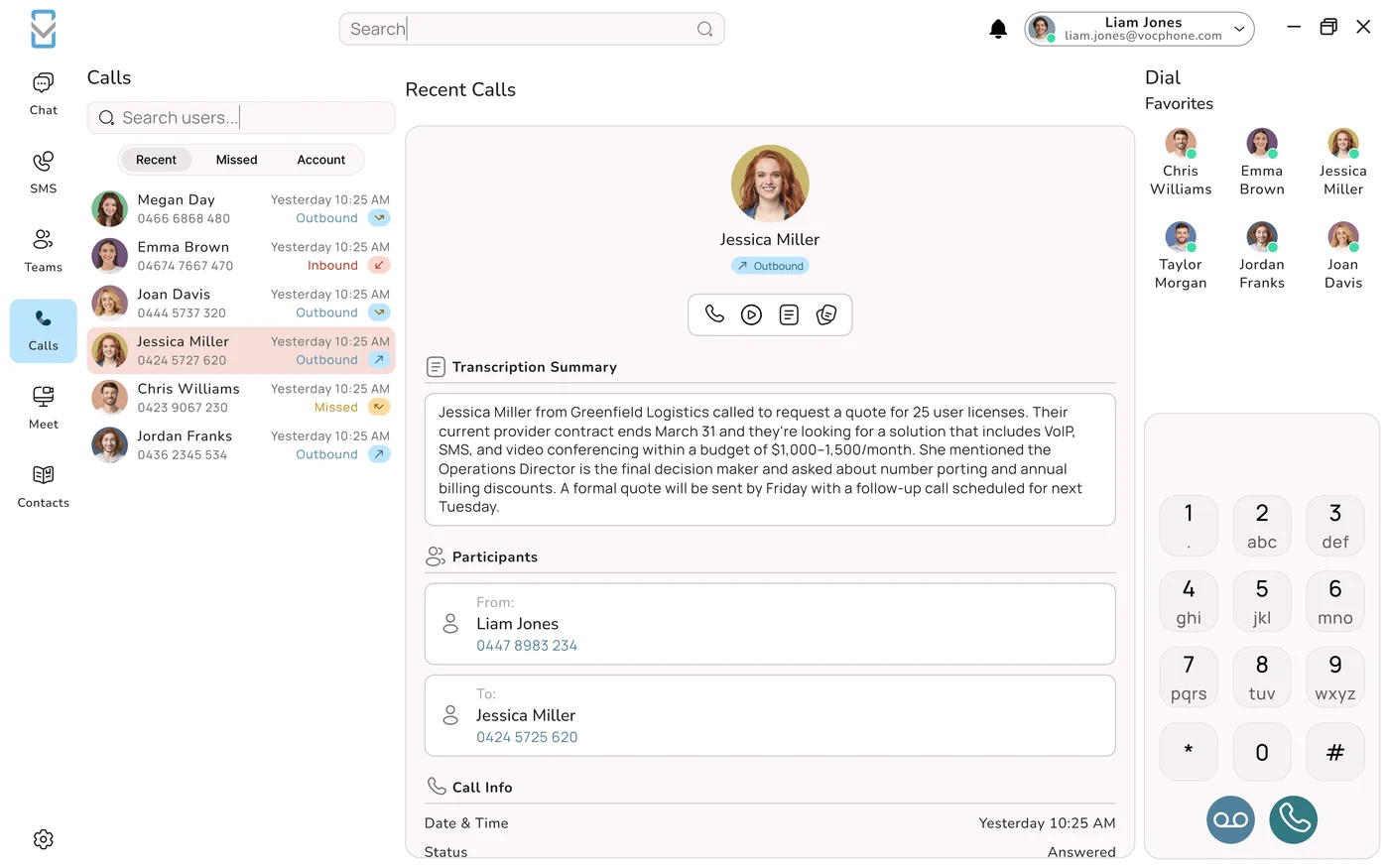
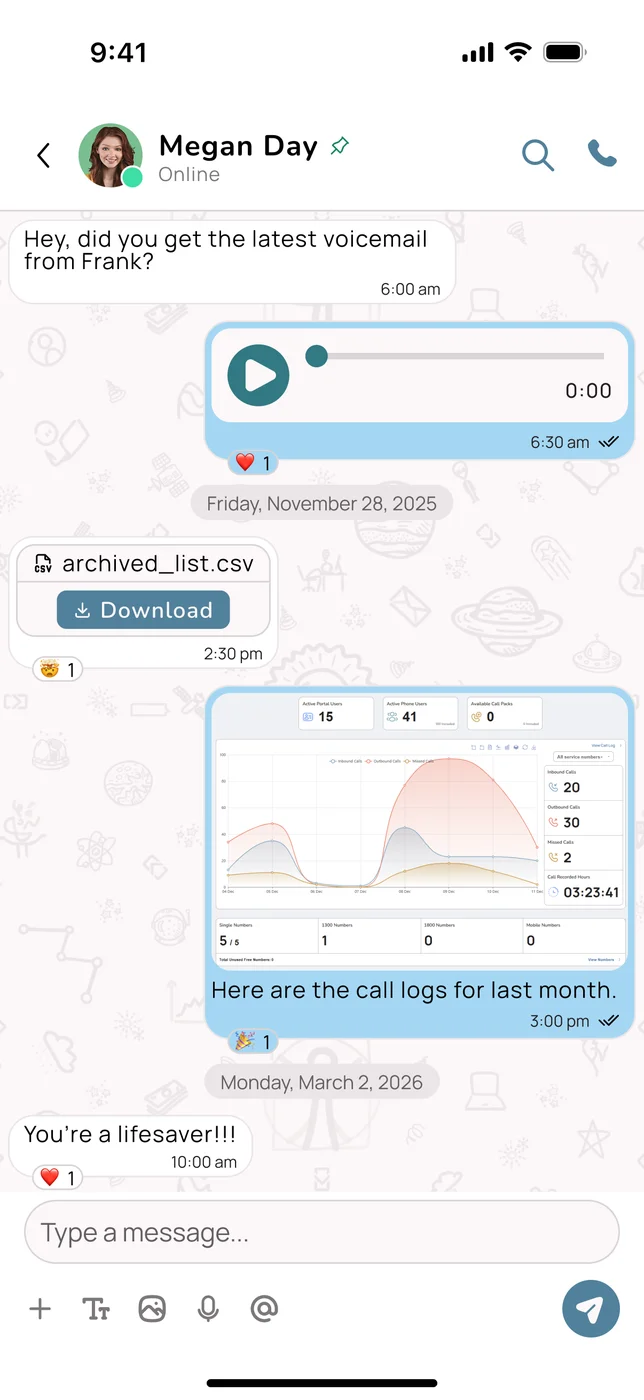
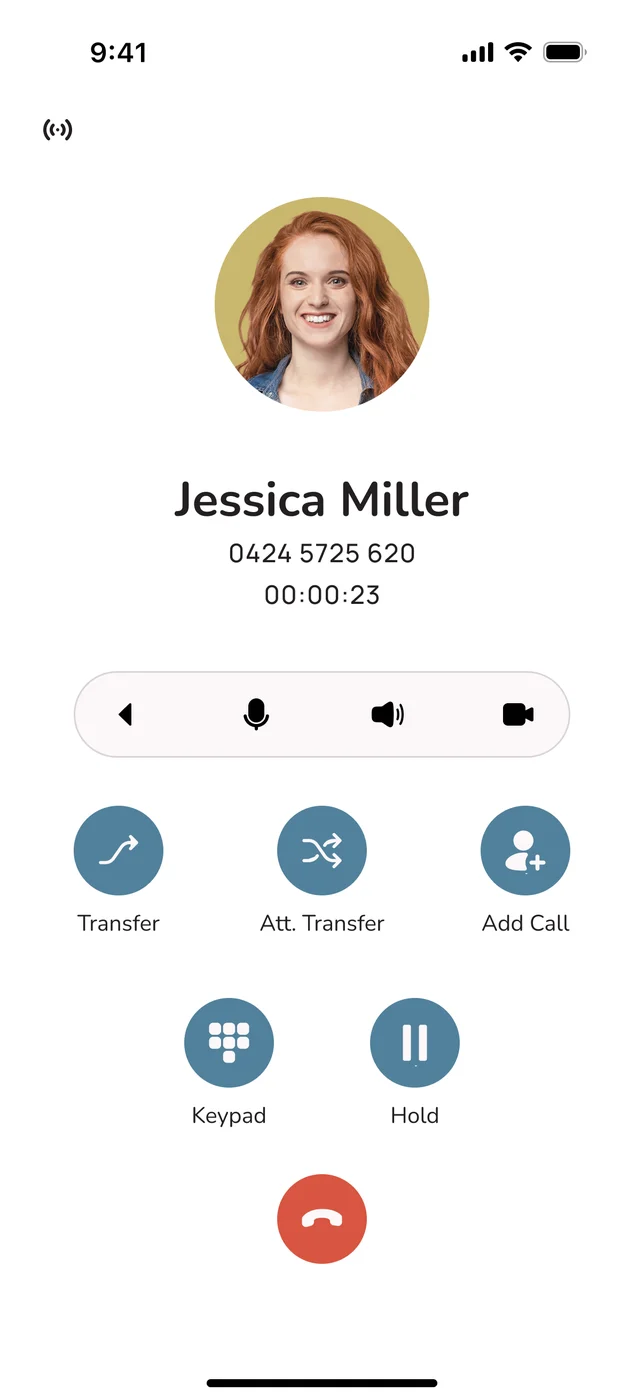
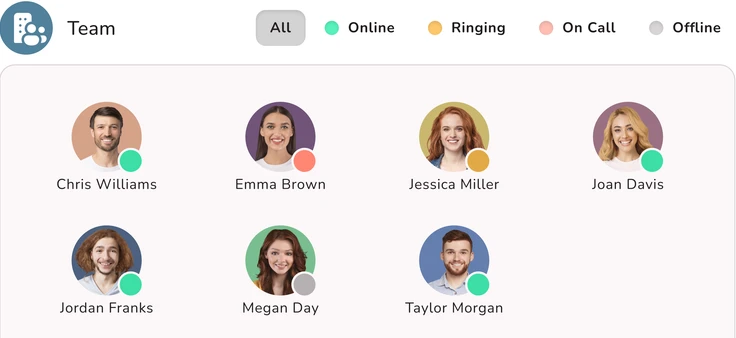
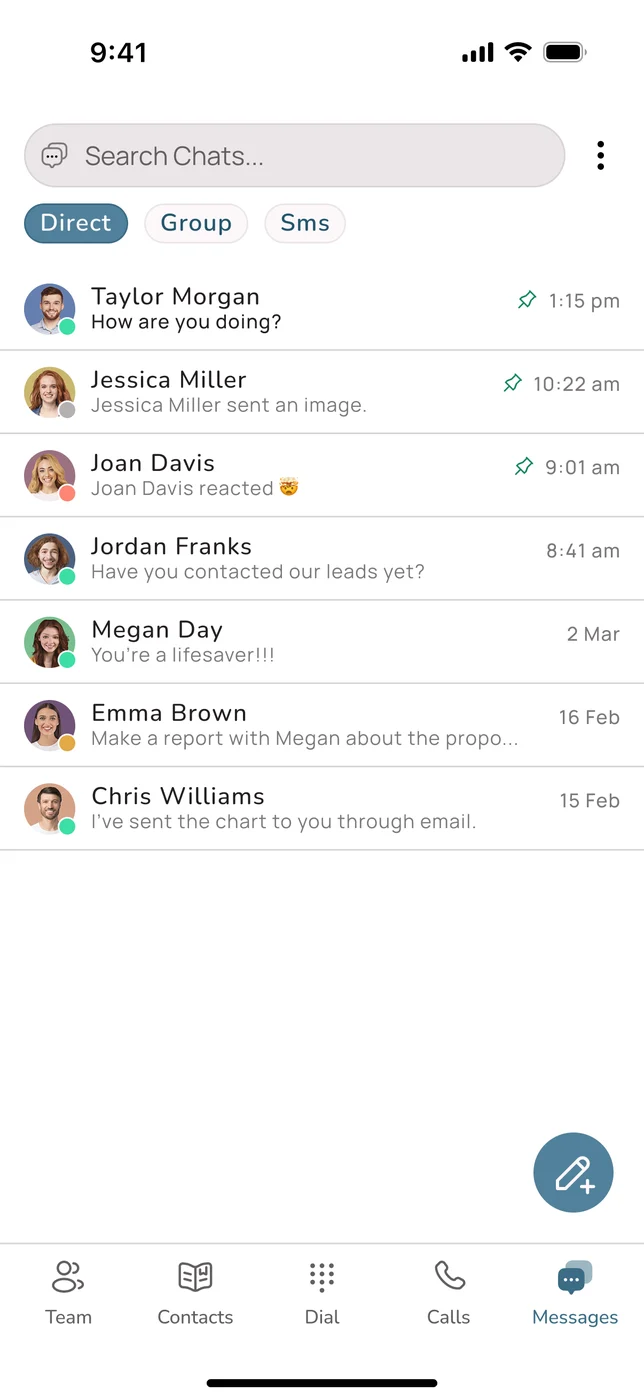
The VOCPhone appThe business phone app you will actually love using
Calls, SMS, team chat, video and AI summaries on desktop and mobile. Start a call at your desk, finish it in the car.
Tour the appOur own network, not a reseller's. 99.99% uptime and support from our team in Australia.Book a demoAll features
AI on your phone line
VOCPhone vs AI receptionists
See every comparisonAI AgentsEvery call answered, day or night
It picks up with a natural Aussie accent, answers questions, books the job and sends you the summary.
Meet your AI agentBuilt into your phone system, not bolted on. No extra number, no call forwarding.Book a demo
Professional services
Trades, retail and hospitality
Browse all industries





Our customersFrom one-person shops to national brands
See how businesses like yours set up their phones.
Find your industryWorking on your own? We have plans made for sole traders and freelancers too.Self-employedStartups
Voice plansBusiness phone planfrom$84.90/month3 users included on a 36-month term, then $30 per extra user.Free setup and free number portingDesktop and mobile apps includedAI Agents built inSee voice plans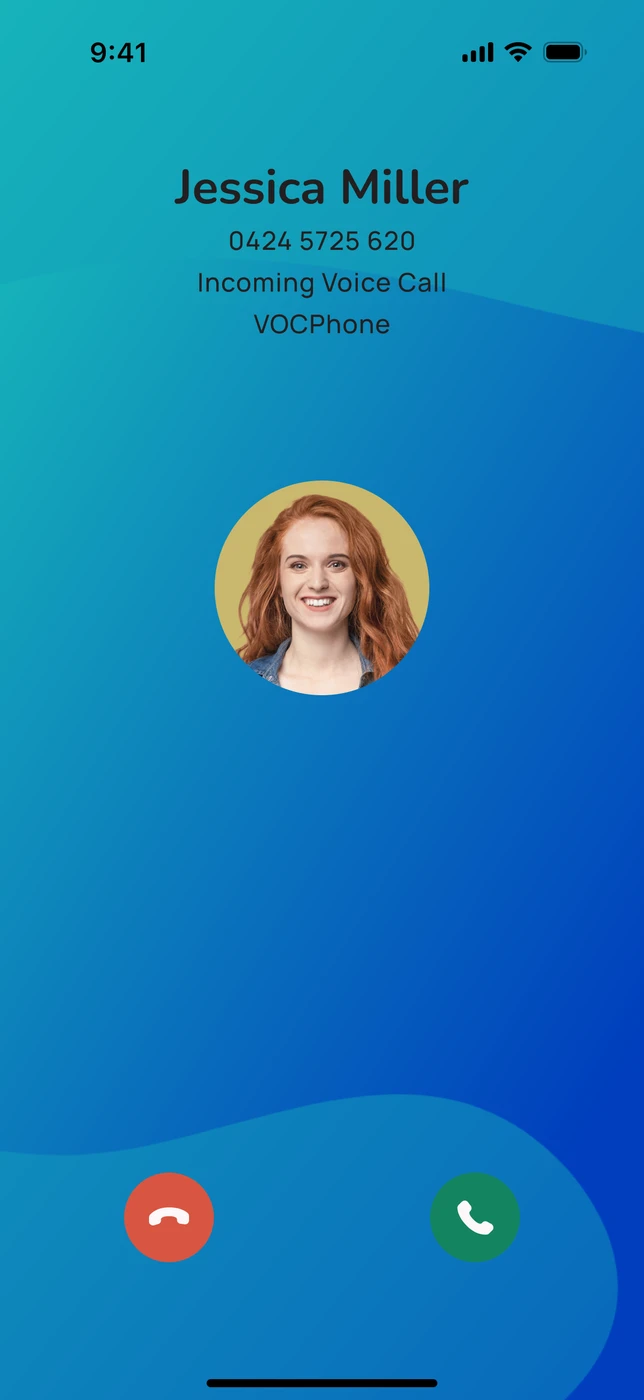

Internet and more
Bundle and savePhones and internet from one Aussie team
One provider to call when something needs fixing. No finger pointing.
Compare all plansMonth-to-month plans available. Keep your existing numbers when you move across.Sign up online1300 663 222
Learn and get set up
Need a hand? Our support team is based in Australia, with AI agents answering after hours.Contact support

Call us on 1300 663 222 or send a message and the team will get back to you.Send a message
Benefits of Voice over Cloud
Practical guides to business phone systems, cloud PBX, AI call handling and the Australian telco rules that affect them. Written for the people who actually run the phones, and updated as the rules and the technology change.