











What the Register Actually Is
If you have ever received a text where the sender shows as a name, "ATO", "AusPost", "myGov", rather than a phone number, you have seen a sender ID at work. It is the branded label at the top of a message that tells you at a glance who it is supposedly from.
The trouble is that, until recently, almost anyone could type any name into that field, scammers included. That is precisely how so many convincing fake texts, pretending to be your bank, the tax office or a courier, slipped straight into the same message thread as the genuine ones.
The SMS Sender ID Register, overseen by the Australian Communications and Media Authority (ACMA), is the fix, and it went live on 1 July 2026. Legitimate organisations register the sender IDs they use, and the telco carriers then treat any message that uses an unregistered sender ID as suspicious, tagging it "Unverified" so recipients know to be cautious.
In a single sentence
The register turns the sender name on a text from something anyone could fake into something that has to be registered and verified, so your customers can trust that a message from your brand really is from you.
The Scam Problem It Solves
Text-message scams, often called "smishing", have become one of the most damaging forms of fraud in Australia. Scammers hijack the sender names of trusted brands and government agencies to trick people into tapping malicious links or handing over money and personal details. Because a faked "AusPost" or "myGov" text landed in the very same thread as the real ones, it looked entirely legitimate, and that is what made it so effective.
The register attacks the problem at its root: the sender name itself. By requiring genuine senders to register, and flagging everyone else as "Unverified", it hands consumers a clear signal to pause and check. For honest businesses that is a win, it protects the trust you have built with your customers over years. But it also means you now have to be firmly on the right side of the register, or your legitimate messages get caught in the same net as the scams.
1 Jul
2026 go-live date
ACMA
Runs the register
Any size
Business in scope
98%
Of texts get opened, usually within minutes
"Unverified": What It Does to Your Texts
It is worth understanding exactly what happens if you do not register, because it is not what many people assume. Your messages are not blocked. Instead:
- Messages from unregistered sender IDs are labelled "Unverified" by the telco carriers.
- They are grouped into a single thread, apart from verified senders, making it easy for people to treat everything in it as probable spam.
- The approach deliberately labels rather than blocks, giving businesses time to register while still warning consumers clearly.
The real-world consequence for your business is significant. An appointment reminder or booking confirmation that arrives marked "Unverified", parked in a thread the phone effectively treats as "probably scams", is far less likely to be read, trusted or acted on. You have not been fined, but you have quietly lost the effectiveness of one of your best customer channels.
⚠️ The hidden cost of doing nothing
"Unverified" is not just a label, it is a trust tax. Missed appointments, ignored confirmations and falling response rates add up quickly. Getting your sender identity right protects the money and goodwill tied up in every message you send.
Who Is Actually in Scope
This is the part many small businesses miss: the rules are not just for banks and big brands. They apply to any business or organisation that sends branded SMS, regardless of size. If you send texts where a name appears as the sender, you are in scope, and that covers a huge slice of everyday Australian business.
Medical & allied health
Clinics sending appointment reminders and recall notices.
Tradies & services
Booking confirmations, "on my way" texts and quote follow-ups.
Real estate agencies
Inspection times, application updates and reminders.
Charities & community groups
Event and volunteer notifications (a separate ABN-free pathway applies).
Clubs & venues
Booking confirmations, class reminders and event alerts.
Retail & hospitality
Order updates, reservation confirmations and promotions.
If any of that sounds like your business, the register matters to you, not just to the household-name brands the headlines mention.
How to Register Your Sender ID
The registration pathway depends on your organisation. Treat it as a one-off housekeeping task that protects an ongoing channel:
-
If you have an ABN, register direct with the ACMA
Businesses with an ABN can register their sender IDs directly through the ACMA. Before you start, make sure your Australian Business Register (ABR) contact details are current, as registration relies on them.
-
If you do not have an ABN, use the separate pathway
Organisations without an ABN, such as community groups and schools, can register through a separate pathway available on the ACMA website.
-
Lean on your provider or phone system
If you send SMS through a messaging provider or your phone system, they can often help you manage sender IDs and make sure your messages are sent in a compliant, trusted way.
-
Check the official ACMA details
Always confirm the current requirements and process on the official ACMA website, as the scheme is new and details may evolve over its first months.
Branded Name vs Your Business Number
There are two common ways businesses send SMS, and understanding the difference is the key to staying trusted without a compliance headache.
A branded sender ID (a name)
These display your business name as the sender. They look polished, but they are exactly what the register now governs, and they typically cannot be replied to. If you use a branded sender ID, it must be registered, or it will be flagged "Unverified".
A recognised business number
Sending SMS from your actual business phone number keeps the conversation two-way: customers can text you back, and all their messages and calls sit in a single thread tied to a number they already recognise. For most small and medium businesses, texting from a familiar business number is both simpler and more trustworthy than managing branded sender IDs, because the customer already associates that number with you.
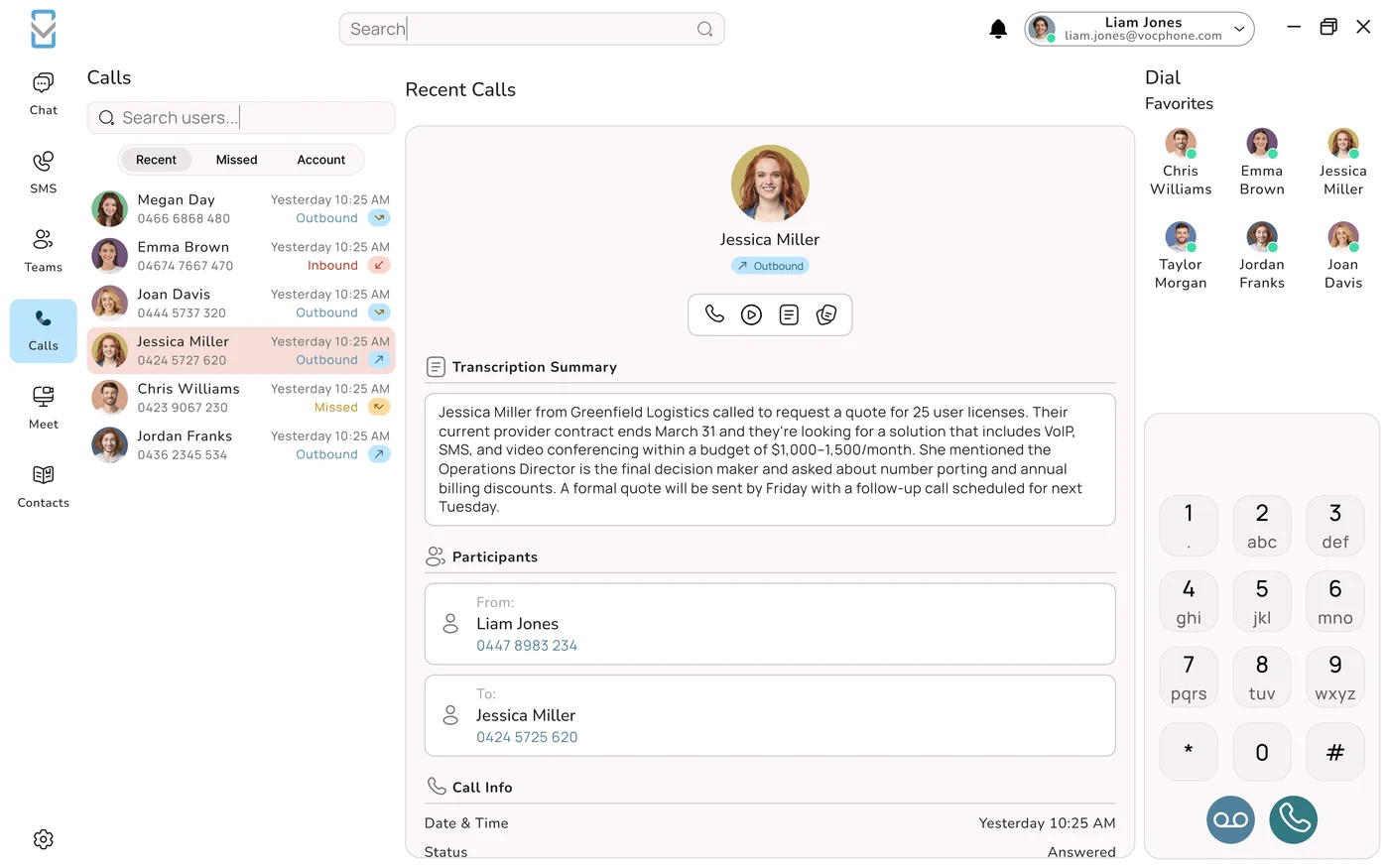
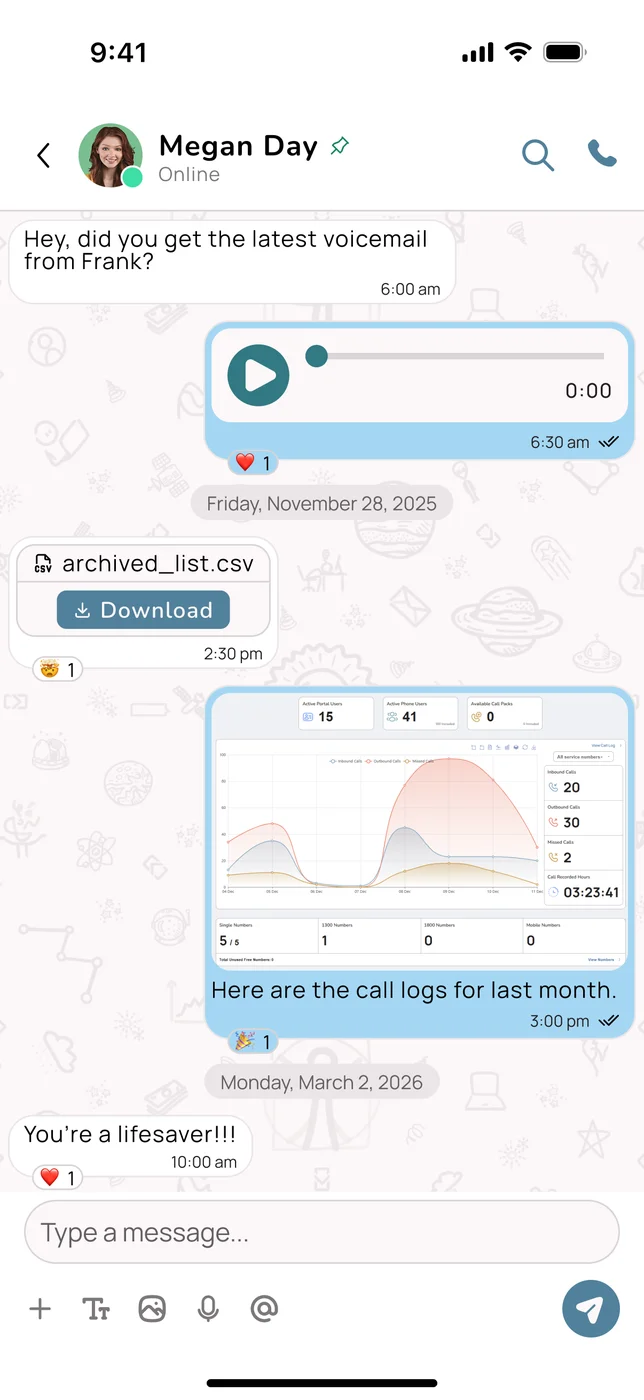
This is where your phone system earns its place. When your business SMS is sent from your phone system, on your business number, you sidestep much of the friction, and your texts arrive as a natural continuation of the relationship the customer already has with you, not a mystery brand name they have to second-guess.
Habits That Keep Your SMS Trusted
Beyond the register itself, a handful of habits keep your messaging trusted, effective and compliant:
- Use one consistent, recognised identity, whether a registered sender ID or your business number, so customers always know it is you.
- Send from your business number wherever you can, so replies come straight back to your team and the thread stays coherent.
- Only message people who expect to hear from you, and honour opt-outs, in line with the spam rules.
- Keep messages clear and specific: who you are, why you are texting and what to do, with no generic links that look like phishing.
- Keep SMS in the same platform as your calls, so every customer interaction lives in one place and nothing slips through the cracks.
- Register your sender IDs and keep your ABR details current.
How VOCPhone Keeps You on the Trusted Side
VOCPhone is built on the idea that calls and texts belong together, on your business number, in one place. That design happens to line up neatly with what the register rewards:
- Two-way business SMS from your business number, so texts arrive as a trusted continuation of your relationship with the customer, not an unfamiliar brand name.
- Calls and texts in one thread, so your whole team can see the full conversation history with each customer.
- Appointment reminders and confirmations that cut no-shows, sent the reliable, recognisable way customers respond to.
- Australian owned, Australian hosted, with 24/7 human support, so there is a real person to help you set things up correctly.
- Works alongside AI Phone Agents and call routing, so voice and text together give every customer a fast, professional response, day or night.
- 15+ years in the Australian market and a network we own and operate ourselves, so your messaging sits on infrastructure built for reliability, not resold from a wholesaler.
The SMS Sender ID Register comes down to one thing: making sure that when a customer receives a message from your business, they can trust it. Getting your identity right, and sending from a recognised business number through your phone system, is the simplest way to stay firmly on the trusted side of that line.
Frequently Asked Questions
What is the SMS Sender ID Register?
It is an Australian scheme, overseen by the ACMA, that went live on 1 July 2026 to stop scammers using branded text messages to impersonate trusted organisations like the ATO, Australia Post and myGov. A sender ID is the name that appears at the top of a text instead of a phone number. Legitimate businesses and organisations register the sender IDs they use, and any message sent using an unregistered sender ID is labelled by the telco carriers as "Unverified", so consumers can more easily spot a potential scam.
Does my business need to register its SMS sender ID?
If your business or organisation sends branded SMS, where a name rather than a number appears as the sender, you should register that sender ID. This applies regardless of size, and it captures small businesses sending appointment reminders and booking confirmations, along with medical clinics, tradies, real estate agencies, charities, clubs and venues. If you do not register, your messages are not blocked, but they are labelled "Unverified" and grouped separately, which quietly erodes customer trust in your texts.
What happens if I do not register my sender ID?
Messages from unregistered sender IDs are not blocked outright. Instead, telco carriers label them as "Unverified" and group them into a single thread, making it easier for consumers to treat them as potential scams. The practical effect is that your genuine branded messages look suspicious, customers are less likely to trust or act on them, and your appointment reminders and confirmations lose their effectiveness. Registering protects the reputation and deliverability of your SMS.
How do I register my SMS sender ID?
Businesses with an ABN can register their sender IDs directly through the ACMA, provided their Australian Business Register contact details are current. Organisations without an ABN, such as community groups and schools, can register through a separate pathway available on the ACMA website. Many businesses also send SMS through their phone system or a messaging provider, which can help manage sender IDs and make sure messages are sent correctly. Always check the current process on the official ACMA site, as the scheme is new.
Can I still send SMS from my business phone system?
Yes. Business SMS remains one of the most effective ways to reach customers, and sending it from your phone system keeps calls and texts in one place. With a modern cloud phone system like VOCPhone, your team can send and receive two-way business texts from your business number alongside calls, so the whole conversation stays in one thread. Using a recognised business number and following the new sender ID rules keeps your messages trusted rather than flagged as unverified.
What to Read Next
Trusted, effective messaging is one part of a bigger picture. These guides help you get the whole communications stack right.